

-
Recent Blogs
Menu

The Rundown:
Most Los Altos homes were built in the 1950s and ‘60s. These floor plans made sense back then. But they feel closed off and impractical today.
Los Altos design-build firms offer more than cosmetic upgrades. They offer the prudent planning and large-scale remodeling services needed to modernize older layouts, from building luxury additions to emphasizing Los Altos’ indoor-outdoor living. Tearing down aging homes to build custom estates is also the dominant trend, offering upgraded functionality while preserving neighborhood character.
Los Altos design-build contractors integrate planning and construction. They plan your project, manage budgeting during design development, coordinate permits, finalize structural engineering, and handle construction. Because design and construction professionals work in tandem, there’s more cohesive planning and streamlined communication throughout your project.
Below are firms homeowners may consider when planning high-end remodeling or custom home projects in Los Altos and nearby Bay Area communities.
High-end residential projects often evolve during planning and design. Slopes, creek setbacks, and protected tree ordinances drastically limit feasible building area. Los Altos design-build firms also make changes to accommodate homeowners’ shifting spatial needs or aesthetic preferences. This naturally leads to budget increases.
When comparing Los Altos design-build firms, ask how early budgeting is integrated into the design process. A strong firm should help prevent a disconnect between drawings and construction costs.
Prioritize Los Altos custom home builders that:
This is especially important for high-end home remodeling in Los Altos, where existing homes may need structural updates, foundation work, utility improvements, or layout changes that are not immediately apparent.
Los Altos, Los Altos Hills, Palo Alto, Mountain View, and nearby communities may involve different planning considerations and approval processes. Depending on the home’s location, the project may require coordination with planning departments, building departments, engineers, arborists, utility providers, or design review processes.
A qualified Los Altos design-build firm should be able to explain how permitting and engineering will be managed. This does not mean every answer will be known on day one, but the firm should have a clear process for moving the project through the review process.
Ask questions such as:
Permitting is not just paperwork. It affects timelines, scope, construction sequencing, and budget expectations.
Not every homeowner begins the design-build process in the same place. Some homeowners already have an architect, interior designer, or design concept they want to preserve. Others are starting with a broad goal, such as opening up an older layout, adding square footage, or building a custom home, and need a firm that can help them move from early ideas into a buildable plan.
That is why collaboration between architects and designers is one of the most important things to ask about early on. A Los Altos design-build contractor should be able to explain whether design is handled in-house, coordinated with outside professionals, or approached through a hybrid model.
An integrated design-build company can make the planning process feel more streamlined because design and construction considerations are discussed together from the beginning. Instead of completing drawings first and then discovering later that certain choices are over budget, difficult to build, or likely to trigger permitting challenges, homeowners receive construction input earlier.
This can help with:
For high-end home remodeling in Los Altos, this can be especially valuable. Older homes may require structural changes, utility upgrades, foundation evaluation, or layout modifications that affect both design and cost. An integrated team can help homeowners understand these issues before the project moves too far into formal plans.
Integrated design teams may also appeal to homeowners who want one primary company responsible for guiding the project from concept through construction. This does not eliminate all challenges, but it can centralize communication and reduce confusion about who is responsible for each phase.
Some homeowners prefer to work with an outside architect or interior designer. This can be a strong option when the homeowner already has a trusted design professional, wants a very specific architectural style, or prefers an independent creative advocate before selecting a builder.
Outside architects and designers can provide:
This approach may be especially useful for homeowners planning a custom home, a historically sensitive renovation, or a highly personalized interior. An outside architect may help shape the larger vision, while an interior designer may guide the selection of finishes, materials, fixtures, lighting, cabinetry, and furnishings.
However, homeowners should still ensure the builder is brought into the conversation early. If construction input comes too late, the homeowner may end up with beautiful plans that require significant revisions once real pricing, structural requirements, or permitting issues are reviewed.
Neither approach is automatically better. The right choice depends on the homeowner’s priorities, project complexity, and preferred working style.
An integrated design-build model may offer stronger coordination, earlier pricing feedback, and fewer communication gaps. It can be a practical fit for homeowners who want a single team to manage both the design and construction phases of the project.
Working with an outside architect or designer may offer greater creative freedom and a more customized design process. It can be a strong fit for homeowners who already know whose design perspective they want or who prefer to separate design from construction before selecting a builder.
The tradeoff is coordination. With more separate professionals involved, communication must be managed carefully. Homeowners should know who is responsible for updates, revisions, pricing, permitting documents, and construction details. Without clear roles, decisions can slow down, or details can fall between teams.
Homeowners should ask about the architect-designer collaboration before hiring a firm, as this decision affects the entire project’s structure. It influences the budget process, timeline, communication flow, proposal detail, and how quickly design ideas can be translated into construction plans.
Important questions include:
For Los Altos homeowners, the best design-build firm is not only the one with strong design taste or construction experience. It is the firm that knows how to collaborate clearly, protect the homeowner’s vision, and keep design decisions connected to budget, permitting, and buildability from the beginning.
Large remodels and custom homes involve many moving parts. Homeowners should understand who will manage communication, how often updates will be provided, and who will oversee trades on-site.
When comparing firms, ask:
Los Altos design-build firms may have strong craftsmanship, but if communication is unclear, the experience can feel stressful. For many homeowners, communication style is one of the biggest differences between firms.
When you hire a design-build company, the proposal should provide more than just a bottom-line price. It should help you understand what the firm has included, what remains uncertain, and what assumptions are being made about materials, labor, design details, engineering, site conditions, and finish quality.
This matters because two proposals can look similar at first glance but represent very different scopes of work. One Los Altos design-build contractor may include detailed structural work, premium finish allowances, permit coordination, site protection, and realistic construction contingencies. Another may show a lower price but leave out important items that will need to be added later.
That is why homeowners should compare assumptions, not just totals.
Allowances are estimated amounts set aside for items that have not yet been fully selected, such as tile, fixtures, cabinetry, countertops, appliances, lighting, flooring, and hardware. They can make a major difference in the final project cost.
For example, one proposal may include a realistic allowance for high-end finishes, while another may use a lower allowance that does not match the homeowner’s expectations. On paper, the second proposal may look less expensive. In reality, the homeowner may face added costs once selections are made.
Homeowners should ask:
A transparent proposal should make allowances easy to understand so the homeowner can compare firms more accurately.
Exclusions are just as important as inclusions. These are the items not covered in the proposal. Common exclusions may include certain permit fees, utility upgrades, engineering revisions, specialty finishes, landscaping, appliance costs, design fees, unknown structural repairs, or work triggered by unforeseen conditions.
Exclusions are not always a red flag. Some exclusions are reasonable because not every condition can be known before construction begins. The problem is when exclusions are vague, buried, or not explained clearly.
Homeowners should ask:
Clear exclusions help homeowners understand the true potential cost of the project rather than relying on an incomplete figure.
The lowest proposal is not always the best value. A lower number may reflect a smaller scope, lower allowances, fewer included services, or optimistic assumptions about site conditions and construction complexity.
When comparing Los Altos design-build firms, homeowners should look closely at what each company assumes about:
A higher proposal may be more complete if it accounts for the project’s real complexity. A lower proposal may still be valid, but homeowners should understand why it is lower before making a decision.
Two proposals may both say “kitchen remodel,” “home addition,” or “full home remodel,” but the actual scope can be very different. One may include custom cabinetry, new structural beams, upgraded electrical, designer fixtures, permit coordination, and premium materials. Another may assume basic finishes, limited layout changes, or fewer construction responsibilities.
This is especially important for older homes in Los Altos, where remodeling can involve hidden conditions, structural modifications, utility upgrades, and city review requirements. A proposal that does not account for those factors may appear competitive but leave the homeowner exposed to added costs later.
Before choosing a firm, homeowners should ask each company to walk through the proposal line by line. The goal is not only to understand the price. It is to understand what that price actually represents.
A strong proposal should clearly explain:
The more detailed the proposal, the easier it is for homeowners to compare design-build companies fairly and avoid surprises once the project begins.
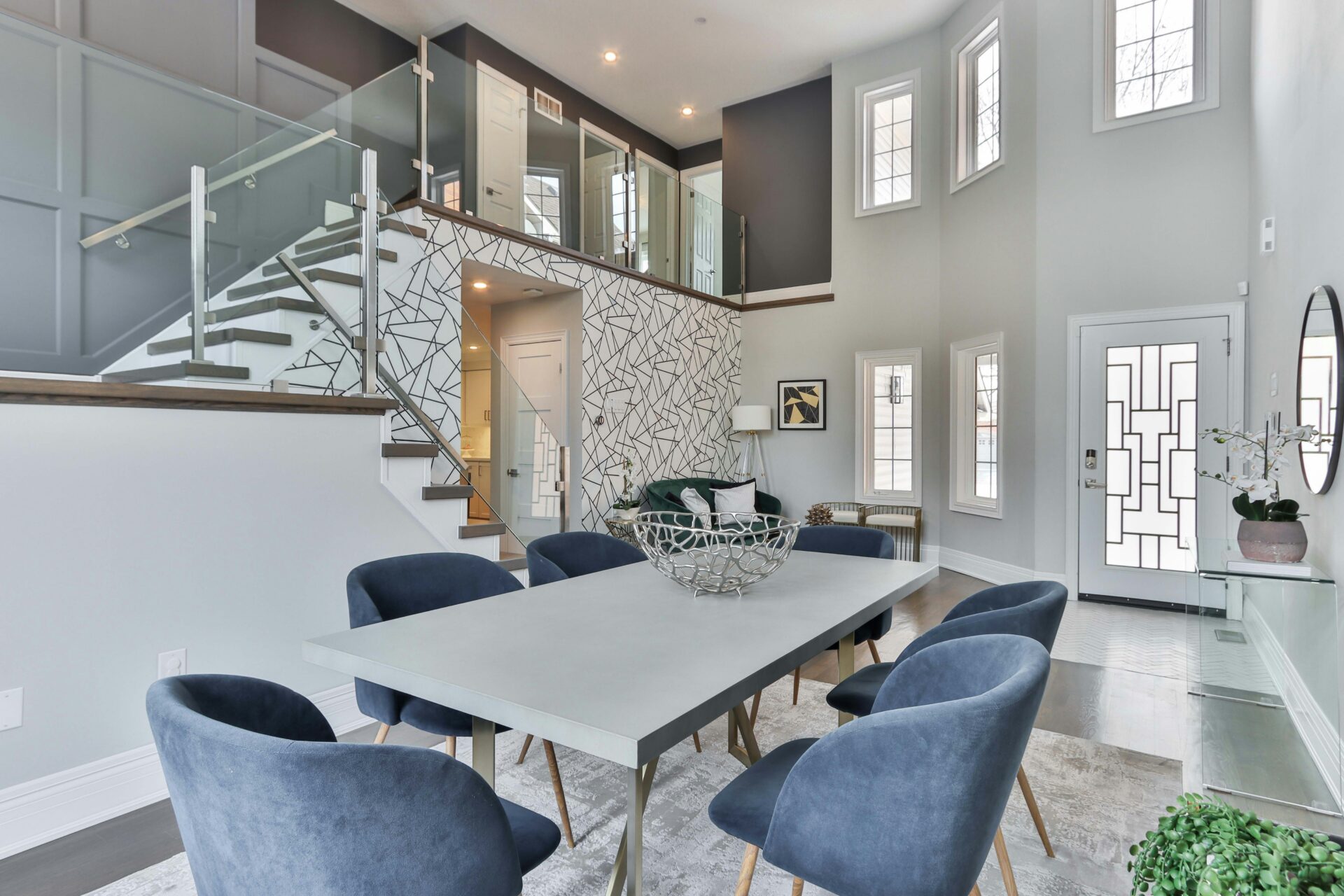
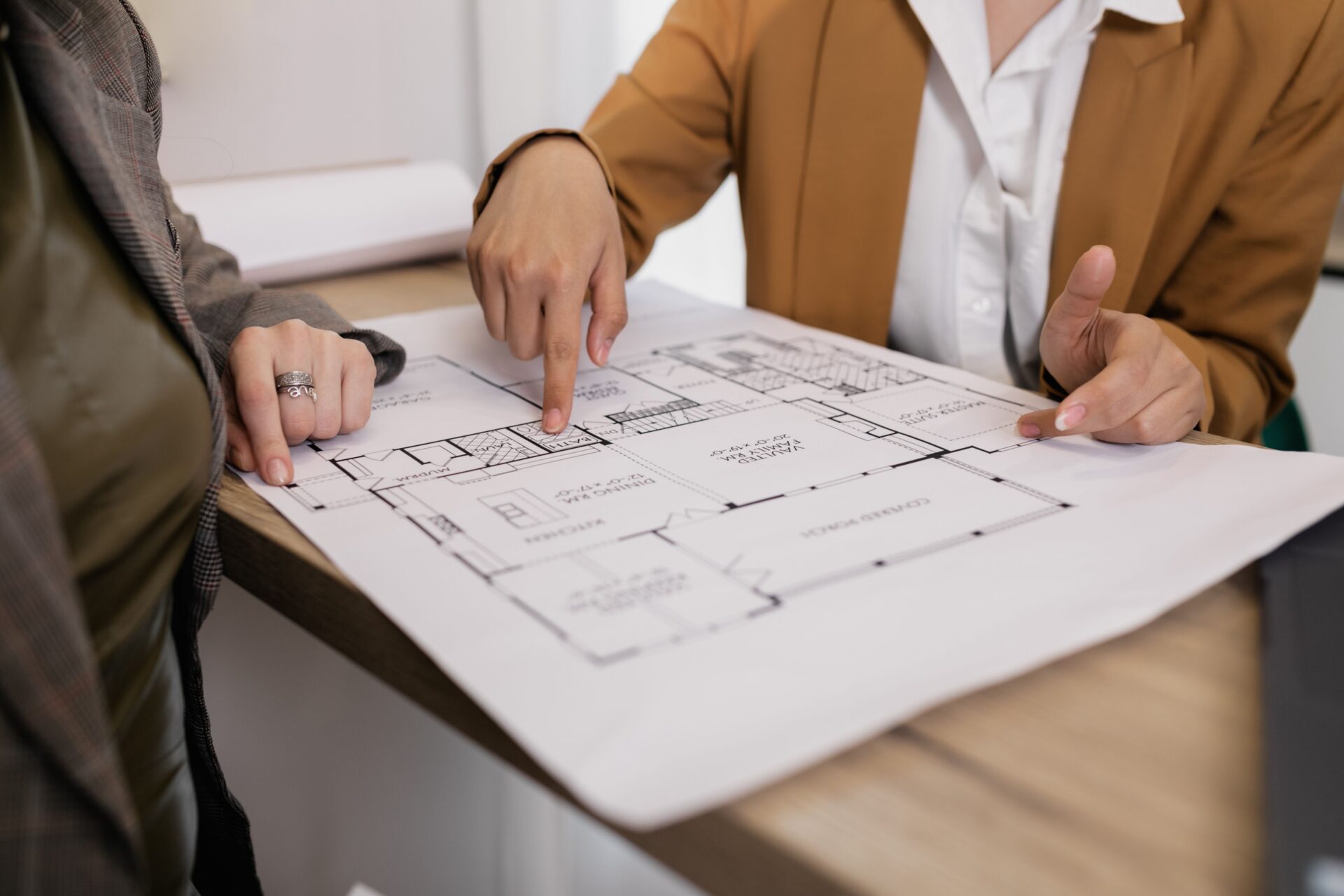
While project fit ultimately depends on scope, communication style, and planning expectations, the firms below represent several different approaches homeowners may encounter when evaluating design-build options in Los Altos.
Valley Boutique Builders is a boutique design-build firm serving Los Altos and surrounding Bay Area communities. They provide full design and construction services, with an emphasis on close collaboration, detailed planning, and high-end residential execution.
VBB is positioned as a strong overall choice for homeowners seeking a design-forward, relationship-driven firm that can help connect early ideas to buildable plans. Their process may appeal to homeowners who value communication, personal attention, and a team that can coordinate the many details involved in luxury remodeling or custom home construction.
Homeowners who want a boutique design-build experience with strong collaboration, detailed planning, and a high level of involvement throughout the project.
VBB may be the right fit for homeowners who want more than a transactional relationship with a contractor. Their approach is especially relevant for homeowners remodeling older Los Altos homes, planning major additions, or building a custom home where design quality, construction execution, and communication all matter.
They can help homeowners think through feasibility, layout, finish goals, budget expectations, and the construction implications of early design decisions. This makes them a strong option for homeowners who want a firm that is both creative and practical.
For homeowners comparing Los Altos design-build firms, VBB may appeal to those seeking a balance of boutique service, thoughtful design, and coordinated construction.
IKB Design & Construction is an established remodeler and builder serving Los Altos and nearby communities. The firm offers integrated design and construction services, including remodeling, additions, and custom homes.
Homeowners who want an established local remodeler with integrated design services and experience across kitchens, bathrooms, remodels, and custom homes.
IKB may appeal to homeowners who want a firm with a long local presence and a built-in design process. Their model can be useful for homeowners who prefer to work with one company from planning through construction rather than managing separate design and building teams.
They may be a good fit for homeowners who want guidance on selections, layout improvements, and the execution of remodeling within an integrated process. For homeowners who value local experience and a broad remodeling portfolio, IKB is a firm worth considering.
Homeowners should compare how IKB handles budgeting, project communication, and construction oversight. As with any design-build company, it is important to understand who manages the project day-to-day and how design decisions are translated into construction details.
Harrell Design + Build is a well-established design-build firm based in Palo Alto. The company has a long history in the Bay Area remodeling market and is known for a highly developed process.
Homeowners who prioritize a structured project management process, mature internal systems, and a firm with extensive operational experience handling complex residential remodels.
Harrell may appeal to homeowners seeking a larger, more process-heavy design-build company with a long track record. Their approach can be a strong fit for homeowners who feel most comfortable with formal systems, established workflows, and a company that has handled a wide range of residential projects over time.
For complex remodels, additions, and whole-home renovations, homeowners may value the predictability of a highly organized process. This can be especially helpful for homeowners who want clear phases, documented decisions, and a defined project path.
Because larger or more systematized firms may differ from boutique firms, homeowners should consider whether they prefer a highly structured process or a more personal, collaborative relationship. The right choice depends on the homeowner’s communication expectations and desired level of involvement.
Sigura Construction provides residential and commercial construction services across the Peninsula and South Bay. Their work spans remodeling, additions, new construction, and broader construction-related services.
Homeowners who want broad renovation capabilities and a firm that can handle a wide range of residential construction needs.
Sigura may appeal to homeowners looking for a contractor with experience across multiple project types. Their broader service range may be attractive to homeowners planning practical renovations, additions, or projects that involve more than one area of the home.
They may be a good fit for homeowners who want a company with construction versatility rather than a firm focused on a single niche. For homeowners comparing Los Altos design-build contractors, Sigura represents a more generalist option with broad renovation capabilities.
Homeowners should clarify how design services are handled, whether design is in-house or coordinated externally, and how the firm manages communication between planning and construction. This is especially important for homeowners seeking a highly design-forward or luxury remodeling experience.
Feldman Construction is a Bay Area design-build firm that provides remodeling, additions, ADUs, and custom home construction services. The company emphasizes integrated planning, construction management, and coordination throughout the project lifecycle.
Homeowners looking for a straightforward design-build process with integrated planning, construction oversight, and a single team guiding the project from concept through completion.
Feldman may appeal to homeowners who value the convenience of a coordinated design-build workflow rather than managing separate architects, designers, and contractors. Their approach can be attractive for homeowners planning remodels, additions, ADUs, or custom homes who want planning and construction considerations aligned early in the process.
For homeowners evaluating Los Altos design-build firms, Feldman represents an option that emphasizes integrated project coordination and turnkey delivery. They may be a good fit for homeowners seeking a streamlined process with clear accountability throughout design and construction.
Homeowners should compare how Feldman approaches budgeting, design collaboration, communication, and project management during both planning and construction. As with any Los Altos design-build firm, it is important to understand who manages day-to-day decisions, how scope changes are handled, and how design goals are balanced with budget and buildability considerations.
Hammerschmidt Construction has a long history of serving Silicon Valley homeowners with remodeling and renovation services. Their work includes kitchens, bathrooms, additions, and whole-home remodeling.
Homeowners who value long remodeling history, renovation expertise, and experience working with existing homes.
Hammerschmidt may appeal to homeowners who want a remodeling-focused firm with decades of experience. This can be especially valuable for homeowners renovating older homes where structural conditions, layout limitations, and phased upgrades require practical remodeling knowledge.
They may be a good fit for homeowners who are less focused on a boutique design-forward experience and more focused on working with a firm that has handled many renovation scenarios over time.
Homeowners should review how the firm approaches design collaboration, proposal detail, and project communication. For high-end home remodeling in Los Altos, it is also worth asking how they manage finish expectations, architectural integration, and coordination with outside designers, if applicable.
The right Los Altos design-build firm depends on your project’s complexity, planning expectations, desired level of collaboration, and your communication style.
Homeowners planning a remodel or custom home project often engage in a feasibility and planning conversation before architectural drafting and construction begin. Schedule your consultation with your preferred Los Altos design-build contractors.
Before committing to a firm, homeowners should ask questions that reveal how the team plans, communicates, prices, manages problems, and collaborates. These questions are not just a formality. They help homeowners understand whether a Los Altos design-build contractor is prepared for the realities of remodeling or building in a high-value, highly regulated residential market.
Not every design-build firm is best suited for every project. Some firms focus heavily on kitchens, bathrooms, and interior remodels. Others are better equipped for full-home renovations, additions, or custom homes. A firm that is excellent at cosmetic upgrades may not be the right fit for a structural remodel, and a Los Altos custom home builder may not be the best match for a smaller renovation.
Homeowners should ask this question to understand whether the firm’s regular project experience aligns with their own scope. For high-end home remodeling in Los Altos, it is especially important to choose a company that understands older homes, larger budgets, structural changes, finish expectations, and the level of planning required before construction begins.
The budget should not be saved for the end of the design process. If a homeowner develops plans without regular cost feedback, they may discover too late that the design is far more expensive than expected. This can lead to redesigns, delays, or difficult compromises.
A strong Los Altos design-build firm should be able to explain how the budget is discussed during planning. Homeowners should listen to whether the firm provides early feasibility guidance, updates estimates as the design evolves, and helps compare options before final decisions are made.
This matters because design choices, structural requirements, finish levels, and site conditions can all affect cost. The best firms help homeowners make informed decisions before drawings and selections move too far forward.
Scope changes are common in remodeling. Homeowners may decide to expand the project after seeing new possibilities, upgrade materials during the selection process, add rooms to the scope, or revise layouts after design development begins. Existing homes can also reveal conditions that require the scope to change once work starts.
The important question is not whether scope changes happen. It is how the firm manages them.
Homeowners should ask how changes are documented, priced, approved, and scheduled. Some firms have a clear change order process with written approvals before work continues. Others may handle changes more informally, which can lead to confusion about cost and responsibility.
For Los Altos homeowners, this question is especially important because high-end remodels often involve evolving design expectations. A transparent process helps protect the budget, timeline, and working relationship.
Permitting and engineering can significantly affect a remodel, addition, or custom home project. Los Altos and nearby communities may require structural engineering, planning review, arborist input, energy compliance, corrections, or other documentation depending on the scope.
Homeowners should ask who is responsible for managing these steps. The answer should be clear. A design-build firm may coordinate directly with engineers, architects, consultants, and city reviewers, or it may rely on outside professionals to handle specific parts of the process.
This question helps homeowners understand whether the firm has a defined process for moving the project from design into approval and construction. It also helps prevent confusion about who is responsible when city comments or plan revisions come back.
Older Los Altos homes frequently uncover surprises during remodeling. Walls may hide outdated framing, old plumbing, undersized electrical systems, foundation issues, prior unpermitted work, or conditions not visible before demolition. Even well-planned projects can encounter issues once the home is opened up.
A qualified Los Altos design-build contractor should be able to explain how these discoveries are handled. Homeowners should ask who evaluates the issue, how engineers or inspectors are brought in, how pricing is updated, and how the schedule may be affected.
This question is valuable because it shows how the firm responds under pressure. The best firms do not simply react. They communicate clearly, explain the options, and help homeowners make practical decisions when unexpected conditions appear.
A proposal should do more than provide a total price. It should explain what is included, what is excluded, what assumptions are being made, and which items are allowances. Without that detail, homeowners may struggle to compare firms fairly.
Two proposals may both describe a “full home remodel.” Still, one may include structural upgrades, premium finish allowances, permit coordination, and detailed project management, while the other may omit several of those items. The bottom-line price alone does not tell the full story.
Homeowners should ask each firm to walk through the proposal line by line. This helps reveal whether the number reflects the true scope of work or whether important costs may appear later.
Communication can shape the entire homeowner experience. Even a well-built project can become stressful if homeowners do not know what is happening, who to contact, or when decisions are needed.
Homeowners should ask how updates will be provided, who the main point of contact will be, and how often they can expect communication. They should also ask how schedule changes, material delays, inspections, and design questions are handled.
Some firms use structured meetings and project management software. Others rely more on direct calls, emails, or in-person updates. Neither approach is automatically wrong, but homeowners should know what to expect before signing a contract.
Some homeowners already have an architect or interior designer. Others may want a fully integrated design-build process. The firm should be able to explain whether it offers in-house design, works with outside professionals, or supports both models.
This question is important because collaboration affects the entire workflow. If an outside architect is involved, the homeowner should know how design changes, construction pricing, permit drawings, and field questions will be coordinated. If the firm uses an integrated team, the homeowner should understand how design and construction input are balanced.
The best Los Altos design-build firms can collaborate clearly, protect the design vision, and keep the project grounded in budget and buildability.
The quality of a remodel depends heavily on what happens day to day during construction. Homeowners should ask who supervises subcontractors, checks the quality of the work, manages sequencing, and confirms that the project is being built according to the plans.
This is especially important for high-end home remodeling in Los Altos, where finish details, structural work, and schedule coordination all require strong oversight. A firm may have a polished sales process, but homeowners should understand who will actually manage the construction site.
A clear answer gives homeowners confidence that the project will be actively supervised rather than loosely coordinated.
This question helps homeowners understand how a firm sees its own value. Some companies may emphasize boutique service and close collaboration. Others may point to long-standing systems, design depth, construction experience, or local permitting knowledge.
The answer can help homeowners compare fit, not just credentials. A firm’s process should match the homeowner’s expectations for communication, planning, creativity, budget control, and construction oversight.
For homeowners planning a major remodel, addition, or custom home, this final question can reveal whether the company is simply trying to win the job or genuinely prepared to guide the project from early planning through completion.


Fill out the form or call today to set up your free in-home consultation.
